Uranus

Bright Constellations

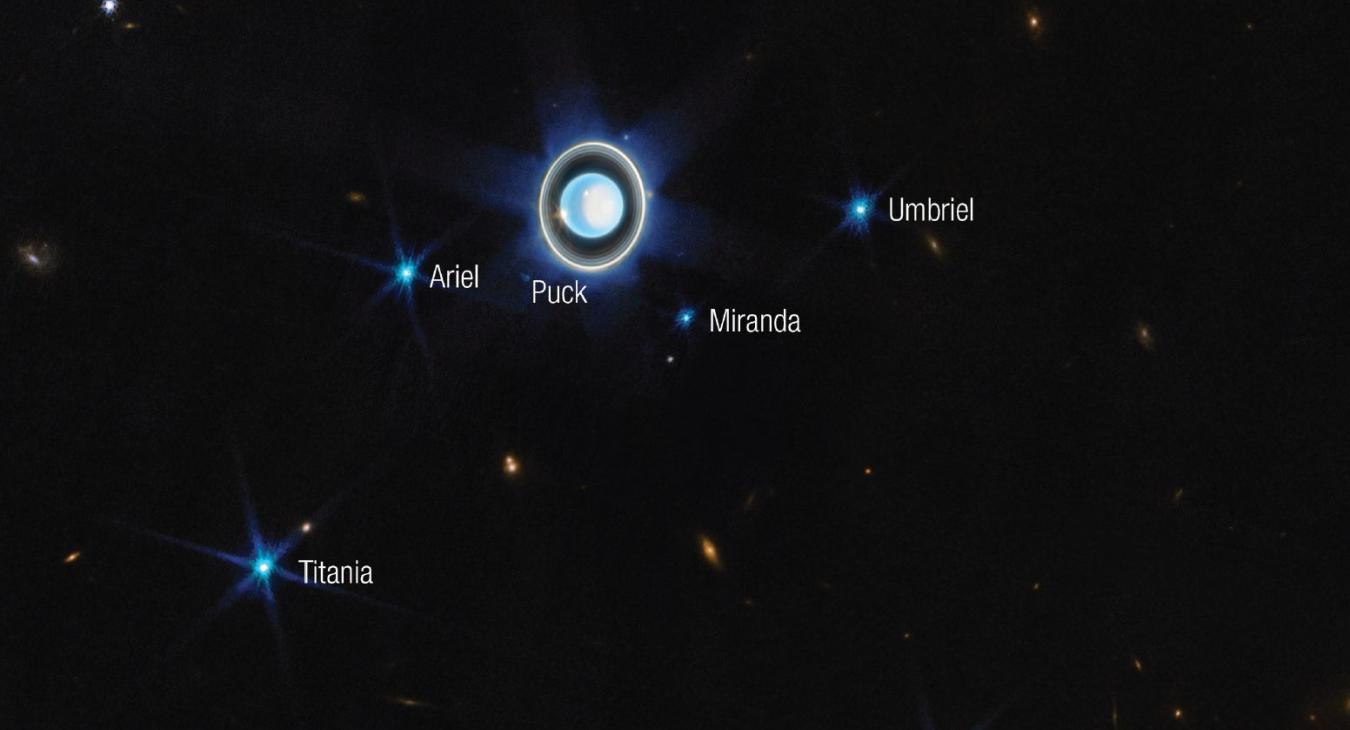
Uranus, with its system of thin rings and several of its moons, as imaged by the James Webb Space Telescope on February 6, 2023.

COURTESY NASA/ESA/CSA/SPACE TELESCOPE SCIENCE INSTITUTE/JOSEPH DEPASQUALE

The planetary show we’ve been enjoying in the evening sky since the latter part of 2023 still has a few more months to run but loses one of its main performers during February.

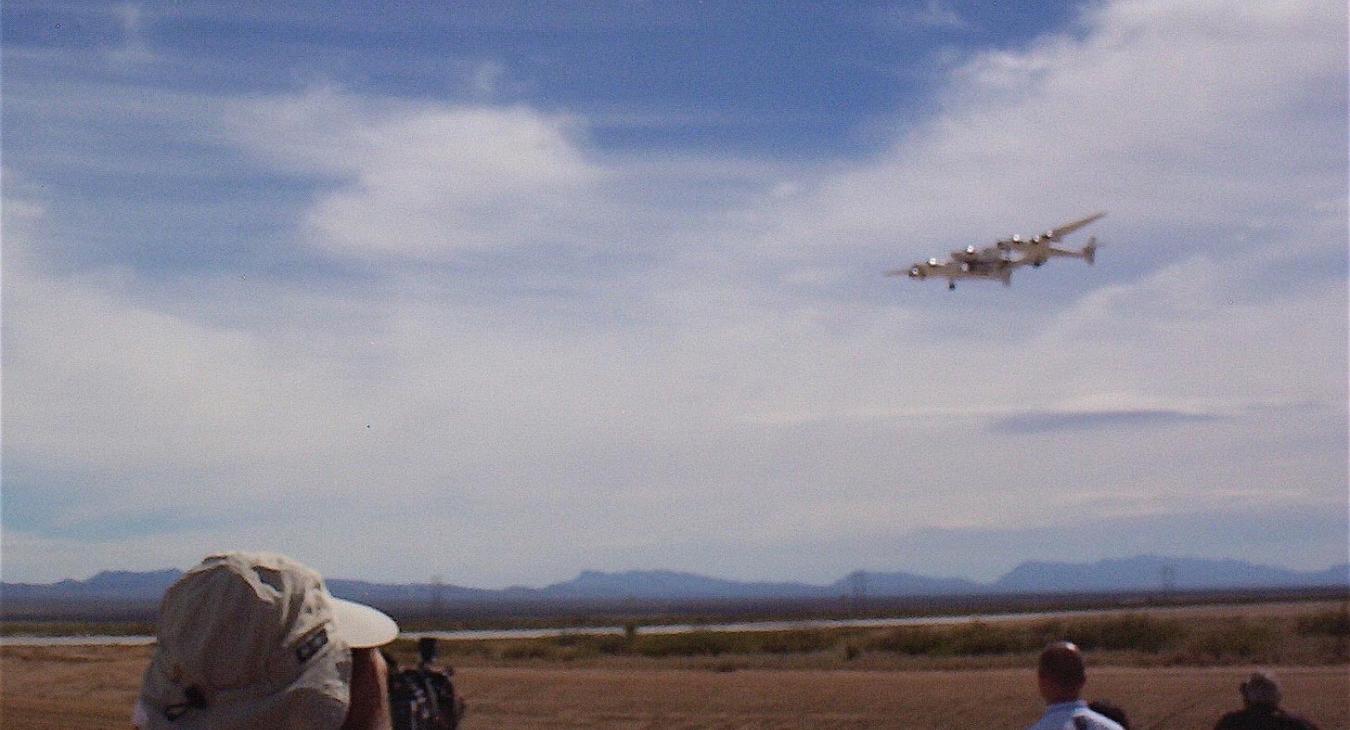
Virgin Galactic’s carrier vehicle, the White Knight Two, approaches the runway at Spaceport America during the runway’s dedication ceremony on October 22, 2010. Virgin Galactic successfully completed its first commercial space flight in June. PHOTO BY ALAN HALE

Flying Into The Final Frontier

Venus has now departed from our evening sky, but two other planets remain visible low in the dusk during August. During the first half of the month, Mercury can be seen close to the horizon, while Mars is slightly higher. The Red Planet disappears into twilight by month’s end, not to reappear in our morning sky until about six months from now.

Our solar system’s two largest worlds dominate the skies this month. Saturn, already in the southeast by the end of dusk, is at opposition directly opposite the sun in the sky August 26 and remains visible throughout the night.